
Children’s down duvets are ideal from around 2–3 years of age, when little ones are usually potty-trained and the duvet is less likely to be damaged by accidents. With proper care, a good quality kids’ duvet can accompany your child for many winters, while a lightweight summer version keeps them comfortable on warm, stuffy nights.
Most children reach a height where an adult-size duvet makes sense at about 7–8 years old, but this is very individual. If a 140×200 cm duvet still feels big, it can simply be used sideways at first and later turned as your child grows. Always consider your child’s height and comfort when choosing the right size.

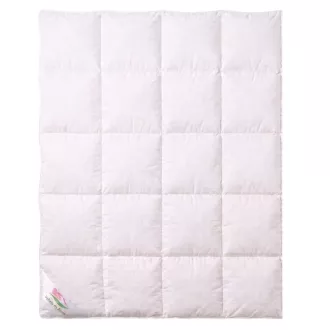
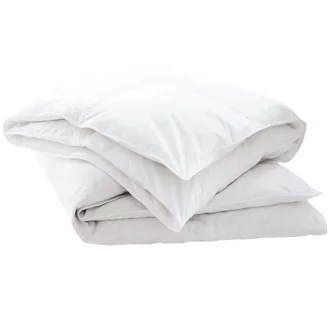
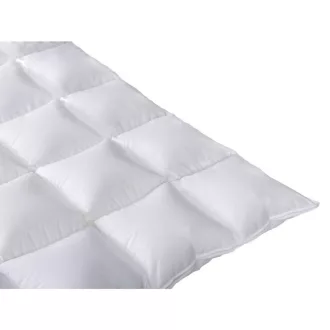
When choosing between a winter and a summer children’s duvet, think first about the temperature of your child’s bedroom and how warmly they like to sleep. A thick winter kids’ duvet is usually far too warm for summer, unless the room is strongly cooled with air conditioning. In the warmer months, many families are perfectly happy with a light blanket or a dedicated summer duvet that provides just enough coverage without overheating.
Some parents prefer to switch duvets seasonally and invest in both a winter and a summer down duvet for their child. In this case, the routine is simple: as soon as spring arrives and the heating is turned down, the winter duvet is replaced with the lighter summer version. This way your child can enjoy a cosy, snug sleep in the colder months and a pleasantly airy cover on hot nights.
For children’s duvets, different fillings are available, from pure down to blends that contain a higher proportion of feather. All of these options are designed with the same goal in mind: to keep your child comfortably warm while they sleep. If your child tends to feel cold easily, a duvet with a higher down content may be the better choice, as down generally offers a lighter feel with excellent thermal insulation.
When selecting a filling, it is also worth considering how warm your home is overall. In a well-heated apartment or house, a slightly lighter duvet can be perfectly sufficient even in winter, while in cooler bedrooms a more generously filled down duvet may be more appropriate. Always match the warmth level of the duvet to both the room temperature and your child’s individual needs.
Down and feather fillings also differ in feel: pure down duvets are usually softer, fluffier and lighter, whereas duvets with more feather content tend to feel a bit firmer and heavier. Many children enjoy the cosy, cloud-like sensation of a high-down duvet, but some may prefer the reassuring weight of a feather-rich option. Think about your child’s sleeping habits and preferences when deciding.
Care and maintenance also play an important role. Using a duvet cover protects the filling and makes regular washing easier. Always follow the care instructions provided for the duvet, and air it out frequently to keep it fresh and comfortable. With the right size, warmth level and filling, a well-chosen children’s duvet can support restful, snug sleep throughout the year.